



Choosing the right wax type for a private label Candle order comes down to matching soy, paraffin, or beeswax to your brand positioning, fragrance strategy, and cost target — then confirming your OEM manufacturer can back that choice up with real burn-time data, certifications, and a minimum order quantity that fits your launch size. Getting the wax type right is a branding and performance decision as much as a technical one, since it shows up directly in how your product burns, smells, and gets marketed.
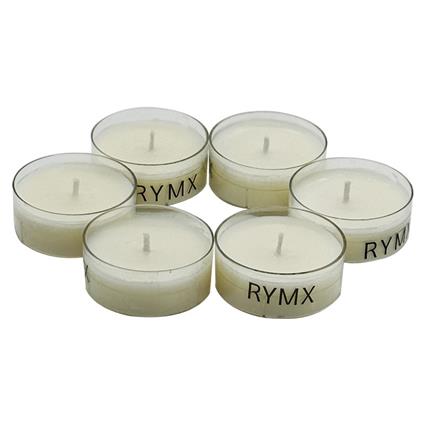
Soy Wax: The Default Choice for Clean-Label Positioning
Premium soy wax is plant-based and paraffin-free, and it's become the default choice for brands positioning around "clean burning," non-toxic, or natural product claims. As a reference point, a typical soy candle in a standard glass container around 180g of wax burns for roughly 28 hours, paired with cotton or wooden wicks. If your brand's marketing leans on natural or eco-conscious positioning, soy wax supports that story directly — but confirm your manufacturer is using genuinely high soy content rather than a soy-paraffin blend marketed simply as "soy," since the two burn and smell differently.
Paraffin and Beeswax: When They Make Sense Instead
OEM candle manufacturers commonly offer paraffin and beeswax alongside soy, and each has a place depending on your priorities. Paraffin generally holds fragrance oil at higher concentrations and can be more cost-effective for private label programs where margin matters more than a "natural" claim. Beeswax burns longer and has a naturally subtle honey scent, appealing to brands building a premium or artisanal positioning, though it typically costs more than soy or paraffin. The right choice depends on whether your brand story is built around natural/clean positioning, fragrance intensity, cost efficiency, or a premium artisanal feel — ask your manufacturer to walk through the tradeoffs against your specific brand goals rather than defaulting to whichever wax they produce most.
Confirm MOQ and Production Timeline Fit Your Launch
OEM Candle programs commonly run minimum order quantities between 100 and 1,000 pieces, with some manufacturers offering lower minimums for trial orders, and production timelines typically running 2 to 6 weeks depending on order complexity and customization. If you're testing a new product line before committing to a full production run, ask specifically about trial-order minimums rather than assuming the standard MOQ is your only option — many manufacturers have a lower-volume path for brands validating a new SKU before scaling up.
Verify Certifications for Your Target Market
Relevant certifications for OEM Candle production commonly include CE, RoHS, ASTM, and ISO, though which ones matter depends on your target market — CE and RoHS are generally relevant for EU-bound products, while ASTM standards are commonly referenced for Candle safety in the US market. Confirm which certifications your manufacturer can provide documentation for, and whether those certifications apply to the specific wax, wick, and container combination in your order, rather than a general company-wide certification claim.
Questions to Ask an OEM Candle Manufacturer
What's the actual wax composition — pure soy, a soy blend, paraffin, or beeswax — and does it match your brand's positioning claims?
What burn time and wax weight combination can they confirm for your specific container and size?
What's their standard MOQ, and do they offer a lower-volume trial order option?
Which certifications (CE, RoHS, ASTM, ISO) can they document for your target market?
What's the realistic production timeline for your specific customization level — scent, container, packaging, and branding?
If you know your target wax type, container, and order volume, send them directly for a quote.
Frequently Asked Questions
What is soy wax and why do brands choose it for private label candles?
Soy wax is a plant-based, paraffin-free wax commonly chosen by brands positioning around natural or clean-burning claims. Confirm your manufacturer is using genuine high-soy-content wax rather than a soy-paraffin blend marketed simply as "soy."
How long does a private label candle typically burn?
Burn time depends on wax weight and container size — a common reference point is around 28 hours for a roughly 180g candle. Confirm actual burn-time data for your specific container and wax combination rather than relying on a general industry estimate.
What's the minimum order quantity for an OEM candle line?
MOQs commonly run between 100 and 1,000 pieces, though some manufacturers offer lower minimums for trial orders. Ask specifically about trial-order options if you're validating a new product line before a full production commitment.
Should I choose soy, paraffin, or beeswax for my candle brand?
It depends on your brand positioning: soy suits natural/clean-label claims, paraffin generally offers stronger fragrance throw at lower cost, and beeswax suits premium or artisanal positioning at a higher price point. Match the wax to your brand story and cost target rather than a single default choice.