



A Grapefruit Vanilla Candle combines the bright character of citrus with the soft, creamy sweetness of vanilla. The fragrance usually comes from a carefully balanced blend of fragrance oils rather than from a single oil. Grapefruit fragrance oil provides the fresh and slightly tart opening, while vanilla fragrance oil adds warmth and sweetness to create a more rounded scent. Understanding which fragrance oils are used can help explain why this combination smells fresh, sweet, and comfortable at the same time.
What Fragrance Oil Is Used in a Grapefruit Vanilla Candle?
Most grapefruit vanilla Candles use a candle-safe fragrance oil blend containing grapefruit and vanilla fragrance components. The exact formula varies depending on the candle maker and the desired scent profile. A typical blend may use grapefruit as the top fragrance note and vanilla as a softer base note.
Grapefruit fragrance oil is generally used to create the bright citrus character. It can provide fresh, juicy, slightly bitter, or tangy impressions depending on how the fragrance is formulated. Vanilla fragrance oil, on the other hand, contributes a creamy, sweet, warm quality that helps soften the sharper side of citrus.
Because grapefruit and vanilla have different fragrance characteristics, the balance between them is important. Too much grapefruit can make the candle smell strongly citrusy or sharp, while too much vanilla can make the fragrance feel very sweet and heavy. A well-balanced grapefruit vanilla fragrance oil blend allows both sides of the scent to remain noticeable.
Why Are Grapefruit and Vanilla Used Together?
Grapefruit and vanilla complement each other because they create contrast. Grapefruit brings freshness and brightness, while vanilla provides warmth and sweetness. This contrast can make a candle fragrance feel more complex than a single-note scent.
When a candle is cold, the grapefruit note may be easier to notice because citrus fragrances often provide an immediate fresh impression. Once the candle is lit and the wax begins to melt, the fragrance develops differently. The warmer vanilla character may become more noticeable and help create a softer overall aroma.
This combination can therefore work well for people who want a candle that is neither purely citrus nor strongly sweet. The result depends heavily on the fragrance formulation, wax type, fragrance concentration, wick, and burning conditions.
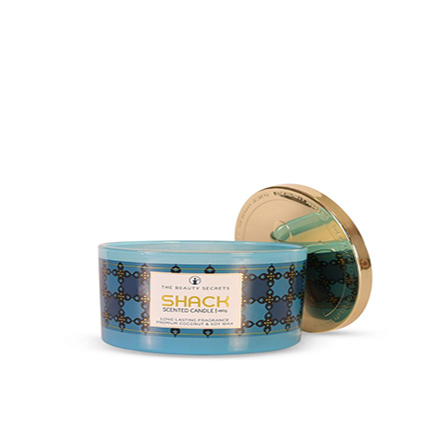
What Does Grapefruit Vanilla Fragrance Oil Smell Like?
A grapefruit vanilla fragrance oil blend typically has a citrus opening followed by a sweeter and creamier character. The grapefruit side may smell juicy, fresh, tart, or slightly bitter, while vanilla can add a smooth and familiar sweetness.
Some formulations may also contain supporting fragrance notes such as lemon, orange, bergamot, floral notes, musk, amber, or light woods. These additional components can change the final character without replacing grapefruit and vanilla as the main scent theme.
This is why two candles described as grapefruit vanilla may not smell exactly the same. Fragrance oils are formulated blends, and manufacturers can adjust individual components to create different interpretations of the same fragrance concept.
Is Grapefruit Fragrance Oil the Same as Natural Grapefruit Oil?
Not necessarily. Grapefruit fragrance oil is a formulated fragrance product designed to provide a particular scent profile, while grapefruit essential oil is derived from grapefruit and belongs to a different category of aromatic material.
A candle fragrance may use a formulated fragrance oil because candle applications require fragrance materials that perform appropriately in wax. The fragrance also needs to remain reasonably stable during storage and release its aroma when the candle is burned.
For this reason, the phrase “grapefruit scent” does not automatically mean that a candle contains grapefruit essential oil. The actual ingredients depend on the specific formulation.
What Type of Fragrance Oil Is Suitable for Candles?
Not every fragrance oil is automatically suitable for candle making. A fragrance oil intended for candles should be formulated and tested for candle applications. Candle makers generally consider factors such as compatibility with the wax, fragrance load, cold throw, hot throw, stability, and performance during burning.
Fragrance oil for candles is commonly developed with the properties of wax-based products in mind. The same fragrance can behave differently in candles, body products, soaps, diffusers, or other applications, so the intended use should always be checked with the fragrance supplier.
How Much Fragrance Oil Is Used in a Grapefruit Vanilla Candle?
The amount of candle fragrance oil depends on the type of wax, the fragrance formulation, and the candle manufacturer's recommended fragrance load. There is no single percentage that works for every candle.
Adding more fragrance oil does not necessarily produce a stronger or better-smelling candle. If the fragrance load exceeds what the wax can properly hold, it may affect candle performance, appearance, or burning characteristics. Candle makers therefore normally follow the wax manufacturer's guidelines and test the finished candle.
How Does Wax Affect Grapefruit Vanilla Fragrance?
The wax used in a Grapefruit Vanilla Candle can influence how the fragrance is released. Soy wax, paraffin wax, beeswax, coconut wax, and blended waxes can interact differently with the same fragrance oil.
For example, a fragrance may have a different cold scent and hot scent depending on the wax. The wick also affects the temperature of the melt pool, which influences how efficiently fragrance is released into the surrounding air.
This means that choosing a suitable fragrance oil is only one part of creating a consistent grapefruit vanilla candle. The fragrance, wax, wick, container, and fragrance concentration all need to work together.
Can Grapefruit and Vanilla Fragrance Oils Be Blended?
Yes, grapefruit and vanilla fragrance oils can be blended when both are suitable for the intended candle application. The proportions can be adjusted to create different scent profiles.
A higher grapefruit proportion can produce a brighter citrus-focused fragrance, while increasing the vanilla component can create a warmer and sweeter impression. Small amounts of complementary notes can also be tested to add depth.
However, fragrance blending should be evaluated through testing rather than relying only on the smell of the oils individually. The final aroma can change after the oils are incorporated into wax and the candle is burned.
What Makes a Good Grapefruit Vanilla Candle Fragrance?
A well-designed grapefruit vanilla fragrance usually has a clear relationship between its citrus and sweet notes. The grapefruit should provide freshness without becoming excessively sharp, while vanilla should add warmth without completely covering the citrus character.
For candle makers, consistency is also important. A fragrance should perform reliably in the selected wax and maintain a recognizable scent from the unlit candle through the burning process.
Ultimately, the specific grapefruit vanilla fragrance oil used in a candle depends on the fragrance formulation and the manufacturer's testing process. There is no single universal oil or recipe. The best results come from selecting a candle-compatible fragrance and evaluating how it performs with the chosen wax and wick.