



If a Grapefruit Vanilla Candle does not produce as much fragrance as expected, simply adding more fragrance oil is not always the best solution. The strength of a Candle's aroma depends on several factors, including the fragrance formulation, wax, fragrance load, wick, container, curing time, and burning conditions. Improving these factors together can help produce a more noticeable and balanced scent.
Start With the Right Grapefruit Vanilla Fragrance Oil
The first step is choosing a fragrance specifically designed for Candle applications. A high-quality grapefruit vanilla fragrance oil should be compatible with the selected wax and capable of producing both a noticeable cold throw and hot throw.
The cold throw is the scent you notice when the candle is unlit, while the hot throw is the fragrance released while the candle is burning. A candle can smell strong before lighting but produce a relatively weak aroma when burning, so both characteristics should be evaluated.
It is also important to remember that fragrance oil formulas vary. One grapefruit vanilla blend may emphasize bright citrus notes, while another may focus more on creamy vanilla. If the fragrance itself has a subtle profile, changing other candle components may have limited effect.
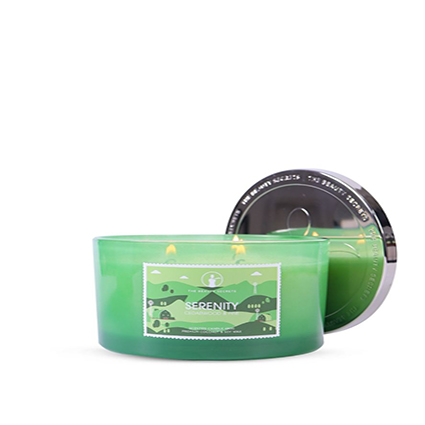
Use the Correct Fragrance Load
One of the most common approaches to increasing candle scent is adjusting the amount of candle fragrance oil. However, more fragrance oil does not automatically mean a stronger candle.
Every wax has a recommended fragrance load, and the appropriate amount depends on the wax and fragrance combination. Exceeding the recommended level can create problems with candle performance rather than improving the scent.
For this reason, follow the wax manufacturer's guidelines and test different fragrance loads within the recommended range. A controlled test can help determine whether a slightly different concentration produces a better hot throw.
Choose a Wax That Works Well With the Fragrance
The type of wax can have a significant effect on fragrance performance. Different waxes hold and release fragrance differently, so the same grapefruit fragrance oil may perform differently in different wax formulations.
Soy wax, coconut wax, paraffin wax, beeswax, and wax blends all have their own characteristics. Rather than assuming that one wax will always produce the strongest scent, candle makers should test the fragrance in the specific wax they plan to use.
The goal is not simply to maximize fragrance release. A good candle should maintain an appropriate balance between scent performance, appearance, burn behavior, and overall consistency.
Make Sure the Wick Is Properly Sized
The wick plays an important role in how a candle releases fragrance. When a candle burns, the wick creates the heat needed to melt the wax and form a melt pool. That melt pool allows fragrance to evaporate and spread into the surrounding air.
If the wick is too small for the candle diameter, the melt pool may remain relatively narrow. This can limit fragrance release. If the wick is too large, the candle may burn excessively hot and create other performance issues.
For a Grapefruit Vanilla Candle, wick selection should therefore be tested together with the specific wax, fragrance concentration, container diameter, and candle size.
Allow the Candle to Cure Properly
Some candles need time after pouring before their fragrance reaches its intended performance. During this period, the fragrance oil becomes more evenly integrated with the wax.
The appropriate curing period depends on the wax and formulation. Instead of judging fragrance strength immediately after the candle has been made, allow it to rest according to the wax manufacturer's recommendations and then perform a burn test.
This is particularly useful when working with a fragrance combination such as grapefruit and vanilla because the balance between the lighter citrus character and the heavier vanilla character can develop over time.
Check the Burning Conditions
Even a well-formulated candle may seem weak if it is not burned under suitable conditions. The first burn is especially important because the candle needs to develop an appropriate melt pool.
Burning a candle for only a short period may leave much of the wax unmelted around the container edges. As a result, the fragrance may not be released as effectively as expected.
At the same time, a candle should not be burned for excessively long periods. Follow the manufacturer's burning instructions and keep the wick properly trimmed between burns.
Can You Add More Fragrance Oil to Make the Candle Stronger?
It may be possible to increase fragrance concentration within the wax's recommended limits, but adding fragrance oil without testing is not recommended. The maximum fragrance load varies by wax and formulation.
Too much fragrance oil can affect the candle's texture, appearance, wick performance, and burn characteristics. In some cases, it may even result in fragrance oil separating from the wax.
A better approach is to test several controlled fragrance concentrations within the recommended range. This allows the candle maker to identify a practical balance between scent strength and candle performance.
How Can You Make the Vanilla Note More Noticeable?
If the grapefruit character is overpowering the vanilla, the fragrance blend itself may need adjustment. Vanilla fragrance oil can provide a creamy and warm foundation, but the exact balance depends on the formulation.
Instead of simply increasing the total fragrance load, testing the ratio between grapefruit fragrance oil and vanilla fragrance oil may produce a more noticeable vanilla character.
For example, a formula with a stronger citrus emphasis will create a brighter scent, while a formula with more vanilla will generally feel warmer and sweeter. The appropriate balance depends on the desired fragrance profile.
Why Does a Grapefruit Vanilla Candle Sometimes Smell Weak?
There can be several reasons. The fragrance may have a naturally light profile, the fragrance load may be too low, the wax may not release the fragrance efficiently, or the wick may not create a suitable melt pool.
Environmental conditions can also influence how a candle smells. Room size, ventilation, temperature, and airflow all affect how fragrance travels through a space. A candle that seems strong in a small room may appear much lighter in a large or highly ventilated room.
For this reason, fragrance strength should be evaluated under consistent testing conditions rather than judged from a single burn.
How to Improve the Scent of a Grapefruit Vanilla Candle
For a stronger and more consistent Grapefruit Vanilla Candle, consider the entire candle system rather than focusing on one ingredient. Select a suitable fragrance oil for candles, follow the wax manufacturer's recommended fragrance load, choose an appropriately sized wick, allow sufficient curing time, and conduct controlled burn tests.
The most effective solution is usually a combination of small adjustments rather than one major change. A well-balanced grapefruit vanilla fragrance should provide noticeable citrus freshness while retaining the warm sweetness of vanilla throughout the candle's use.
By testing the fragrance, wax, wick, concentration, and curing process together, candle makers can identify the combination that provides the desired scent performance without compromising the candle's overall burning characteristics.