



How to Store Wholesale Candles Properly?
Proper storage is essential for maintaining the appearance, fragrance, and burning performance of wholesale Candles. Whether retailers purchase bulk candles for seasonal sales or businesses keep wholesale candle products in a warehouse, the storage environment can directly affect product quality. Excessive heat may soften wax, sunlight can cause discoloration, and poor packaging may allow dust or unwanted odors to affect Scented Candles.
For retailers, distributors, and businesses working with a wholesale candle supplier, understanding the correct storage methods helps reduce inventory damage and maintain consistent product presentation. This guide explains how to store different candle types, protect fragrance, organize bulk inventory, and prepare candles for long-term storage and distribution.
1. Choose a Cool and Stable Storage Environment
Temperature is one of the most important factors when storing wholesale candles. High temperatures can soften wax, deform certain candle shapes, and cause fragrance oils to separate from the wax in some formulations. Large temperature fluctuations may also contribute to surface defects or changes in candle appearance.
A cool indoor environment with relatively stable temperatures is generally suitable for most finished candles. The ideal conditions depend on the wax blend, container, fragrance formulation, and manufacturer's storage recommendations.
To maintain suitable storage conditions:
Keep candles away from radiators, ovens, heaters, and other heat sources.
Avoid storing candles near windows that receive strong direct sunlight.
Keep inventory out of vehicles, uninsulated storage areas, and locations that become excessively hot.
Avoid repeated temperature changes between hot and cold environments.
Check the manufacturer's recommendations for products made with specific wax blends.
For businesses managing large quantities of wholesale candles, monitoring warehouse temperatures can help identify potential risks before products are damaged. If the inventory includes delicate decorative candles or low-melting-point wax blends, additional temperature controls may be necessary.
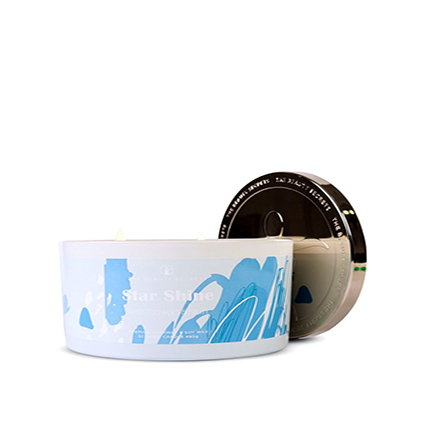
2. Protect Candles From Direct Sunlight
Direct sunlight can affect both the wax and the fragrance of Scented Candles. Ultraviolet exposure may cause colored wax to fade or change appearance, while heat from sunlight can soften candles and weaken packaging materials. Prolonged exposure may also affect fragrance quality.
Store candles in closed cabinets, covered shelving, or cartons that block direct light. If candles are displayed near windows, rotate them regularly and avoid leaving samples in direct sunlight for extended periods.
This practice is particularly important for wholesale candle products designed for gift shops, home fragrance retailers, weddings, and seasonal collections. Customers often judge candles by their color, surface finish, labels, and packaging before evaluating their burning performance.
For private-label products, maintaining consistent appearance across an entire batch also helps protect the brand's presentation. Even when the candle remains usable, visible discoloration can make an item less attractive for retail sale.
3. Control Humidity and Keep the Storage Area Dry
Although candle wax is not generally damaged by ordinary indoor humidity, excessive moisture can affect packaging, labels, metal accessories, and some candle components. Cardboard boxes may soften or become distorted, adhesive labels may peel, and metal lids can develop corrosion under unfavorable conditions.
Choose a dry, well-ventilated storage area and investigate any signs of condensation or water leakage. Avoid placing cartons directly against damp walls or on floors where moisture may accumulate.
For bulk candles, consider the following practices:
Use clean, dry pallets to keep cartons off the floor.
Leave enough space between stacked cartons and walls for inspection and airflow.
Keep storage areas free from leaks and standing water.
Inspect paper packaging for moisture damage before shipment.
Store candles away from cleaning chemicals and strong-smelling materials.
Humidity management is especially important when wholesale candles are packed in decorative paper boxes or supplied as gift sets. Protecting the packaging helps preserve the product's retail-ready appearance.
4. Store Scented Candles in Sealed or Covered Packaging
Scented candles contain fragrance ingredients that can gradually change during storage. Exposure to heat, air, and light may reduce fragrance quality over time. Uncovered candles can also collect dust and absorb unwanted odors from their surroundings.
Whenever possible, keep scented candles in their original packaging. Use fitted lids for container candles and suitable protective packaging for pillar candles or other uncovered designs. Make sure the packaging is compatible with the candle material and does not transfer odors or damage the surface.
For wholesale candle suppliers and retailers, consistent packaging practices help preserve product quality throughout storage and distribution.
Additional precautions include:
Keep strongly scented products separated from items that may absorb fragrance.
Avoid opening cartons unnecessarily during routine inventory checks.
Use clean gloves when handling products that are sensitive to fingerprints or surface marks.
Keep labels, lids, and decorative accessories together with their corresponding products.
Sealing candles appropriately is particularly useful for maintaining fragrance consistency across large orders. However, packaging alone cannot prevent all fragrance changes, so storage conditions and the manufacturer's recommended shelf life should also be considered.
5. Store Different Types of Candles According to Their Materials
Not all wholesale candles respond to storage conditions in the same way. Wax composition, fragrance concentration, dye, container design, and manufacturing methods can influence how a candle performs over time.
Soy Wax Candles
Soy wax candles may develop a white, crystalline appearance known as frosting. This can occur naturally because of the wax's crystalline structure and does not automatically indicate poor quality. However, temperature fluctuations and unsuitable storage conditions may affect their appearance.
Keep soy candles away from direct sunlight and excessive heat. Store them in a stable indoor environment and avoid sudden temperature changes.
Paraffin Wax Candles
Paraffin candles are commonly used in decorative, scented, and everyday candle products. They should still be protected from heat, sunlight, dust, and contamination. Although some paraffin formulations are relatively stable, their performance depends on the specific wax blend and additives.
Beeswax Candles
Beeswax candles should be stored in a clean, dry environment away from strong external odors. Natural color variations or a pale surface coating may occur depending on the wax and storage conditions. Keep finished products protected from dust and direct sunlight.
Container Candles
Container candles require additional care because the vessel can break, chip, or become scratched during storage. Keep jars upright, use dividers where necessary, and avoid stacking heavy products on top of fragile containers.
For mixed wholesale candle products, separate inventory by candle type and packaging requirements instead of applying the same handling method to every item.
6. Organize Bulk Candles in a Warehouse
Large inventories require a storage system that protects product quality while making stock easy