



Selecting the right wick is essential for producing Candles that burn consistently and safely. The wick controls how melted wax travels toward the flame, affecting flame stability, melt pool formation, burn rate, and soot production. A wick that is too small may cause tunneling, while one that is too large can create an oversized flame, excessive heat, or heavy soot.
For manufacturers, retailers, and businesses purchasing wholesale Candles, understanding wick selection helps when evaluating product quality and comparing different candle formulations. The correct wick depends on several variables, including wax type, container diameter, fragrance concentration, dye, and candle design. This guide explains how to choose wicks for common wax types and how to test wick performance before producing candles in bulk.
1. Understand How a Candle Wick Works
A candle wick transports liquid wax from the melt pool toward the flame through capillary action. The heat of the flame melts nearby wax, and the wick draws the liquid fuel upward to sustain combustion.
The wick must supply an appropriate amount of fuel. If it draws too little wax, the flame may struggle to maintain a sufficiently large melt pool. If it draws too much, the flame may become excessively large or unstable.
Wick selection therefore affects several aspects of candle performance:
Flame height and stability.
How evenly the wax melts across the candle surface.
The amount of soot and carbon buildup.
The temperature of the container and surrounding wax.
The likelihood of tunneling or incomplete melting.
The overall burn rate and usable candle life.
There is no single wick that works for every candle. Even two candles made from the same wax may require different wicks if their diameters, fragrance loads, or container shapes differ.
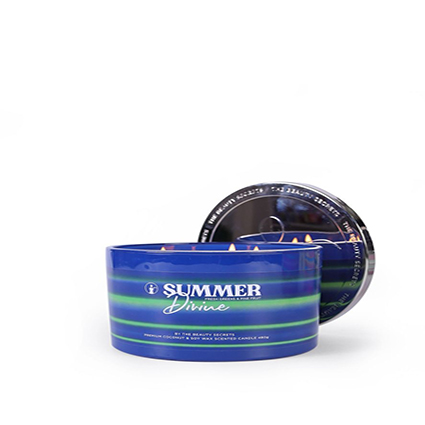
2. Consider the Wax Type Before Choosing a Wick
Different waxes have different melting characteristics, viscosities, and fuel-delivery behavior. These properties influence how quickly liquid wax reaches the flame and how the candle performs during burning.
Soy Wax
Soy wax is commonly used in container candles and Scented Candles. Its performance varies by formulation, including whether the wax is designed for containers, pillars, or blended applications.
Some soy wax formulations may require a wick that provides sufficient heat to establish an appropriate melt pool. However, choosing a wick that is too large can cause excessive flame height, overheating, or soot.
When developing soy wax candles, start with wick recommendations from the wax supplier. Test several sizes within a suitable wick series rather than assuming that all soy waxes require the same wick.
Paraffin Wax
Paraffin wax is used in container candles, pillar candles, votives, and many other candle products. Different paraffin grades and blends can behave differently, so wick requirements depend on the specific formulation.
Some paraffin blends may melt and feed fuel differently from certain natural waxes. The wick must therefore be selected for the actual wax and candle design instead of relying on a general rule for all paraffin candles.
Observe the flame, melt pool, container temperature, and soot during testing. A wick that performs well in one paraffin formulation may not perform equally well in another.
Beeswax
Beeswax is relatively firm and has different physical properties from many common candle waxes. Its wick requirements depend on the candle's diameter, shape, and formulation.
Beeswax pillar candles may require a different wick arrangement from beeswax container candles. For larger diameters, multiple wicks may be more appropriate than one oversized wick, but this decision must be verified through testing.
When working with beeswax, use the supplier's recommendations as a starting point and test the finished candle under its intended conditions.
Coconut Wax and Blended Waxes
Coconut wax is often blended with soy wax, paraffin, or other materials to achieve particular performance characteristics. These blends can differ significantly in softness, melting behavior, and fragrance compatibility.
A wick that works in a soy wax candle may not provide the best performance in a coconut-soy blend. The proportion of each wax, the fragrance load, and the container diameter can all change the result.
For wholesale candle products made with proprietary or custom wax blends, obtain the formulation-specific wick guidance whenever possible.
3. Match the Wick to the Candle Diameter
Container diameter is one of the main factors in wick sizing. A wider candle generally needs to deliver enough heat to melt wax across a larger surface area. However, choosing a much larger wick is not always the correct solution.
Measure the internal diameter of the container rather than its external width. For tapered or unusually shaped containers, measure the relevant burning area and consider how the shape may affect heat distribution.
Use the following process:
Measure the internal diameter of the candle container.
Identify the exact wax type and formulation.
Consult the wick manufacturer's sizing recommendations.
Select a small range of suitable wick sizes for testing.
Make test candles using the same container, wax, fragrance, and dye.
Compare burn performance before selecting a production wick.
For wide containers, test whether multiple smaller wicks provide more even heat distribution than a single larger wick. The appropriate arrangement depends on container geometry and the complete candle formulation.
4. Understand Common Wick Types
Several wick constructions are widely used in candle making. Each has characteristics that may make it suitable for particular waxes and candle designs.
Cotton Wicks
Cotton wicks are common in many container and pillar candles. They are available in different braids, constructions, and sizes. Some designs include paper reinforcement or other structural features to help the wick remain upright.
Different cotton wick series can perform differently with the same wax. Choose a series based on the supplier's recommendations and confirm the result through burn testing.
Wooden Wicks
Wooden wicks are often selected for their distinctive appearance and characteristic burning sound. They are commonly used in container candles, but their performance depends on the wood construction, width, thickness, wax, and container.
Wooden wicks should not be treated as direct substitutes for cotton wicks of a similar apparent size. Follow the wick supplier's guidance and test the complete candle formulation.
Flat-Braided and Square-Braided Wicks
Flat-braided wicks are used in many container and pillar candles. Square-braided wicks are also used in selected candle designs, including some traditional pillar candles. The appropriate construction depends on the wax and intended application.
When evaluating wholesale candles, the visible wick style alone is not enough to determine whether the candle will burn well. The relationship between the wick, wax, fragrance, and candle geometry matters more than the wick's appearance in isolation.
5. Account for Fragrance Oils and Dyes
Fragrance oils and dyes can change how a candle burns. Fragrance ingredients may affect wax viscosity, fuel delivery, and wick behavior. Certain dyes or high fragrance concentrations may also influence flame stability or contribute to carbon buildup.
For this reason, a wick tested in an unScented Candle should not automatically be considered suitable for the scented version of the same product.
When testing a candle formulation:
Use the intended fragrance and fragrance concentration.
Keep the dye type and amount consistent with the planned product.
Record the wax formulation and wick identification.
Compare several suitable wick sizes when necessary.
Repeat testing if the fragrance, dye, or wax blend changes.
This process is particularly important for businesses developing private-label or custom wholesale candles. A small formulation change can affect the wick's performance and may require additional testing.
6. Recognize Signs of an Incorrect Wick Size
Observing a candle during a controlled burn test can help identify whether the wick is appropriate. No single symptom proves that the wick is the only problem, so consider the complete formulation and container design.
Wick Too Small
A wick that is too small may produce a weak flame or an insufficient melt pool. The candle may tunnel down the center, leaving a thick wall of unmelted wax around the edges.
Possible causes include an undersized wick, a wick that is incompatible with the wax, or a formulation that restricts fuel delivery. Test a suitable alternative wick size and review the wax and fragrance specifications.
Wick Too Large
An oversized wick may create an excessively tall flame, rapid wax consumption, overheating, or increased soot. The wick may also develop a large carbon buildup at its tip.
Do not assume that a larger wick will solve every tunneling problem. If the flame becomes too large or the container overheats, stop the test and investigate the formulation and wick selection.
Unstable Flame or Excessive Soot
A flickering flame or heavy soot can be related to wick size, wick condition, air movement, fragrance formulation, or other factors. Check that the wick is centered and correctly prepared before drawing conclusions from the test.
For glass-container candles, monitor container temperature and inspect the vessel for damage. A candle should not be released for sale until its performance and safety have been adequately evaluated.
7. Conduct Burn Tests Before Bulk Production
Burn testing is essential because wick charts provide starting recommendations rather than guaranteed results. The finished candle must be tested using the actual wax, fragrance, dye, wick, and container intended for production.
A practical testing process includes the following steps.
Step 1: Prepare Test Samples
Make several candles using the same formulation and container. Use different suitable wick sizes or wick series, and label each sample clearly so the results can be compared.
Step 2: Follow the Appropriate Cure Time
Allow the candles to rest for the period recommended for the wax and fragrance formulation. The appropriate time varies by product, so follow the relevant supplier guidance instead of applying one universal waiting period.
Step 3: Test Under Controlled Conditions
Place candles on a stable, heat-resistant surface in an area free from drafts and flammable materials. Follow recognized candle safety procedures and the applicable testing standard for the intended market.
Step 4: Observe the Complete Burn Cycle
Record flame behavior, melt pool development, soot, wick condition, and container temperature at regular intervals. Evaluate the candle over repeated burning cycles rather than judging it from a single short test.
Step 5: Compare and Document Results
Record the wick series and size, wax batch, fragrance concentration, container dimensions, and observed performance. Use the results to select a suitable wick and maintain consistent production records.
For manufacturers supplying wholesale candles, documenting burn tests helps identify formulation changes and maintain repeatable product quality. Any changes to materials or candle dimensions should trigger a review of the existing test results.
8. How Wick Selection Affects Wholesale Candle Quality
For a wholesale candle supplier, wick selection influences both product performance and customer satisfaction. A candle may look attractive on a shelf but still perform poorly if the wick is incompatible with the wax or container.
Retailers and brand owners evaluating wholesale candle products should consider more than appearance. Useful questions include whether the wick has been tested with the actual formulation, whether the candle burns consistently across batches, and whether product specifications remain stable after production changes.
When reviewing bulk candles, businesses can also request relevant quality-control information, product specifications, and safe-use instructions. These details help buyers evaluate whether the product is suitable for their intended market and customer expectations.
Frequently Asked Questions
Can the same wick be used for soy wax and paraffin wax?
Sometimes, but it should not be assumed. Soy and paraffin formulations may have different burning characteristics. Test the selected wick with each specific wax and finished candle design before using it in production.
Does a larger candle always need a larger wick?
A wider candle often requires more heat distribution, but the solution may involve a different wick series or multiple wicks rather than simply increasing wick size. Testing is necessary to determine the suitable configuration.
Are wooden wicks better than cotton wicks?
Neither type is universally better. Wooden and cotton wicks have different characteristics, and the preferred option depends on the wax, container, desired appearance, and burn performance.
How often should wick performance be tested?
Test new candle formulations before production and reassess performance when changing wax, fragrance, dye, wick, or container dimensions. Periodic quality checks can also help confirm consistency across production batches.
Can a wick chart replace burn testing?
No. Wick charts help narrow down suitable starting options, but they cannot account for every combination of wax, fragrance, dye, and container. Finished candles should be tested before being approved for bulk production.
Conclusion
Selecting candle wicks for different wax types requires consideration of wax formulation, container diameter, wick construction, fragrance concentration, and burning performance. Soy wax, paraffin, beeswax, and blended waxes may each require different wick choices, even when the finished candles look similar.
For manufacturers, retailers, and businesses sourcing wholesale candles, a consistent testing process is the most reliable way to identify a suitable wick. By documenting test results and checking performance whenever materials change, businesses can improve product consistency, reduce avoidable defects, and make more informed decisions when evaluating wholesale candle products and suppliers.