



Yes, sculpted wax products can be mass produced when the design, wax formulation, production process, and quality control procedures are properly planned. Although wax sculptures are often associated with handmade craftsmanship, manufacturers can use reusable molds, standardized production methods, and controlled processing conditions to produce consistent quantities of wax products. The most suitable approach depends on the shape, size, surface details, material properties, and required order volume.
For businesses sourcing decorative wax products, wax models, or custom-shaped wax components, understanding the production process helps determine whether a design is suitable for large-scale manufacturing. Working with an experienced sculpted wax manufacturer can also help buyers evaluate production feasibility, product consistency, and delivery requirements before placing a bulk order.
1. How Are sculpted wax Products Mass Produced?
Mass production of sculpted wax products generally begins with design development and sample approval. Once the shape and specifications are confirmed, the manufacturer selects an appropriate production method based on the product's complexity and intended application.
For products with consistent shapes, mold-based production is often an efficient option. A master model is created from an approved design, and a suitable mold is prepared for repeated production. Depending on the wax formulation and product requirements, the wax may be melted, poured, injected, or otherwise formed into the mold. After cooling, the product is removed and inspected.
Some designs require additional finishing, such as trimming excess material, smoothing the surface, refining small details, or applying decorative treatments. More complex shapes may require multiple production stages rather than a single molding operation.
For larger orders, a sculpted wax factory may organize production into standardized stages, including material preparation, forming, cooling, demolding, finishing, inspection, and packaging. This workflow helps reduce unnecessary variation and makes production planning more predictable.
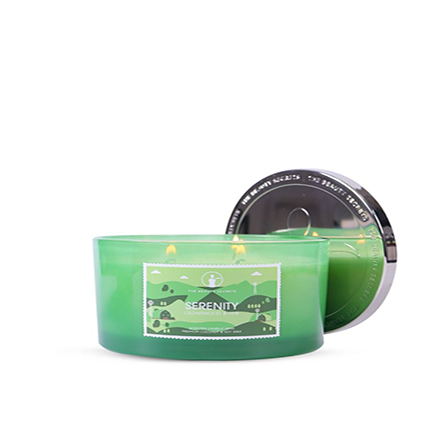
2. Which Production Methods Are Suitable for Bulk Orders?
The best manufacturing method depends on the geometry of the product, the type of wax, the required surface quality, and the expected quantity.
Mold-Based Production
Mold-based production is suitable for products that need to maintain the same shape across multiple units. Once the mold has been developed and approved, it can be used repeatedly, subject to its material, condition, and expected service life.
This method can be practical for decorative wax figures, repeated ornaments, shaped wax components, and other products with standardized designs. Mold design is particularly important when the product contains fine details, narrow sections, or complicated contours.
Manual Finishing and Semi-Automated Production
Some sculpted wax products require manual work to preserve fine details or achieve a specific appearance. In these cases, manufacturers may combine repeatable forming processes with hand finishing.
Semi-automated production can help standardize selected steps while retaining flexibility for products that need additional attention. The appropriate balance depends on the required finish, production volume, and labor involved in each unit.
Automated or Specialized Forming Processes
For suitable wax formulations and product designs, specialized equipment may improve production consistency and throughput. However, not every wax product can be manufactured using the same equipment. Material viscosity, melting behavior, cooling requirements, mold design, and dimensional tolerances all affect process selection.
Buyers should ask a sculpting wax manufacturer which production method is suitable for the specific product instead of assuming that every design can be fully automated.
3. What Factors Affect Mass Production Feasibility?
Several factors determine whether sculpted wax products can be produced efficiently in large quantities.
Design complexity: Simple shapes are generally easier to reproduce than designs with deep undercuts, thin projections, or intricate surface details.
Wax formulation: Different wax blends have different melting points, flow characteristics, hardness, and shrinkage behavior.
Product dimensions: Large or thick products may require longer cooling periods, while very small components may need precise mold filling.
Surface requirements: Products requiring a highly polished or detailed finish may need additional processing after forming.
Dimensional tolerances: Products with strict size requirements need appropriate measurement methods and process controls.
Order quantity: The quantity required influences mold investment, production scheduling, labor allocation, and unit cost.
Packaging requirements: Fragile or detailed shapes may require protective packaging to prevent deformation or breakage during transportation.
Evaluating these factors before production helps the manufacturer select a realistic process and identify potential problems before they affect a large order.
4. How Can Manufacturers Maintain Consistent Quality?
Consistency is one of the main challenges in mass-producing sculpted wax products. Even when the same mold is used repeatedly, variations in temperature, cooling time, material preparation, or demolding technique may affect the final result.
A reliable sculpted wax supplier should have a clear method for confirming product specifications and checking finished items. Depending on the application, quality control may include:
Checking the incoming wax material and confirming the approved formulation.
Monitoring heating and forming conditions within the appropriate process range.
Controlling cooling time to reduce unwanted deformation.
Inspecting dimensions, surface finish, and visible defects.
Comparing production samples with the approved reference sample.
Recording inspection results and addressing recurring defects.
For products with complicated shapes, inspection should pay particular attention to thin edges, narrow projections, surface bubbles, cracks, and dimensional variation. The inspection criteria should be agreed upon before mass production begins.
5. Can Custom Sculpted Wax Products Be Produced in Large Quantities?
Yes. Custom sculpted wax products can often be produced in bulk when the design is suitable for a repeatable manufacturing process. The key is to establish a clear specification before production starts.
Buyers should provide reference drawings, photographs, a physical sample, or a three-dimensional design file when available. Important information includes the product's dimensions, weight requirements, surface appearance, color, material preferences, and intended use.
The manufacturer can then evaluate the design, recommend a forming method, and determine whether a dedicated mold or additional tooling is necessary. A prototype or pre-production sample is useful for confirming that the finished product meets expectations.
Once the sample is approved, the manufacturer can establish production parameters and plan the order quantity. Any changes to the shape, material, or finish should be documented to avoid confusion during manufacturing.
6. How Does Order Quantity Affect Production Cost?
The cost of mass-produced sculpted wax products depends on more than the price of the raw material. Mold development, design preparation, labor, finishing, inspection, packaging, and shipping can all contribute to the total cost.
For smaller orders, mold development and setup may represent a relatively large portion of the total expense. When the same approved design is produced in greater quantities, these initial costs may be distributed across more units. However, this does not mean that every large order automatically has a lower unit cost. Complicated finishing, material waste, special packaging, or strict tolerances may still increase production expenses.
When requesting a quotation, buyers should ask for a breakdown of tooling charges, sample fees, unit pricing at different quantities, lead time, packaging costs, and any minimum order requirements. Comparing quotations on the same specifications provides a more meaningful basis for supplier evaluation.
7. How to Choose a Reliable Sculpted Wax Manufacturer
Choosing a suitable manufacturer is important when planning repeat orders or large-volume production. Buyers should evaluate the supplier's experience with similar products, available manufacturing processes, quality inspection procedures, and ability to meet the required specifications.
Before confirming an order, consider asking the manufacturer the following questions:
Can you produce a sample based on our drawing or reference product?
Which forming method do you recommend for this design?
Can you maintain consistent dimensions and surface details across the order?
What quality checks are performed before shipment?
What are the tooling costs, minimum order quantity, and estimated lead time?
How are finished products packaged to prevent damage during transport?
A qualified sculpted wax manufacturer should be able to explain the proposed process and clarify its limitations. Buyers should also confirm whether the supplier has experience with the specific wax type and product category rather than relying only on general manufacturing claims.
Frequently Asked Questions
Can sculpted wax products be manufactured automatically?
Some products can use automated or specialized forming equipment, while others require manual or semi-automated work. The suitable method depends on the wax formulation, product geometry, and finishing requirements.
Is a mold necessary for mass production?
A mold is commonly used when identical shapes must be reproduced repeatedly. However, certain production methods may use different tooling or forming approaches. The best option depends on the design and required production volume.
How can buyers reduce defects in bulk orders?
Provide complete specifications, approve a pre-production sample, establish clear inspection criteria, and confirm that the manufacturer can maintain consistent processing conditions throughout the order.
Conclusion
Sculpted wax products can be mass produced through mold-based manufacturing, manual finishing, semi-automated processes, or other suitable forming methods. Successful production depends on selecting the right wax formulation, designing an appropriate manufacturing process, and maintaining consistent quality control.
For buyers planning bulk orders, the most practical approach is to confirm the design, approve a sample, review the production method, and agree on quality standards before full-scale manufacturing begins. Working with an experienced sculpted wax factory or supplier can help turn a custom design into a repeatable production process while keeping product requirements clear.